Geospatial Analysis and Visualization (GSAV) Certificate
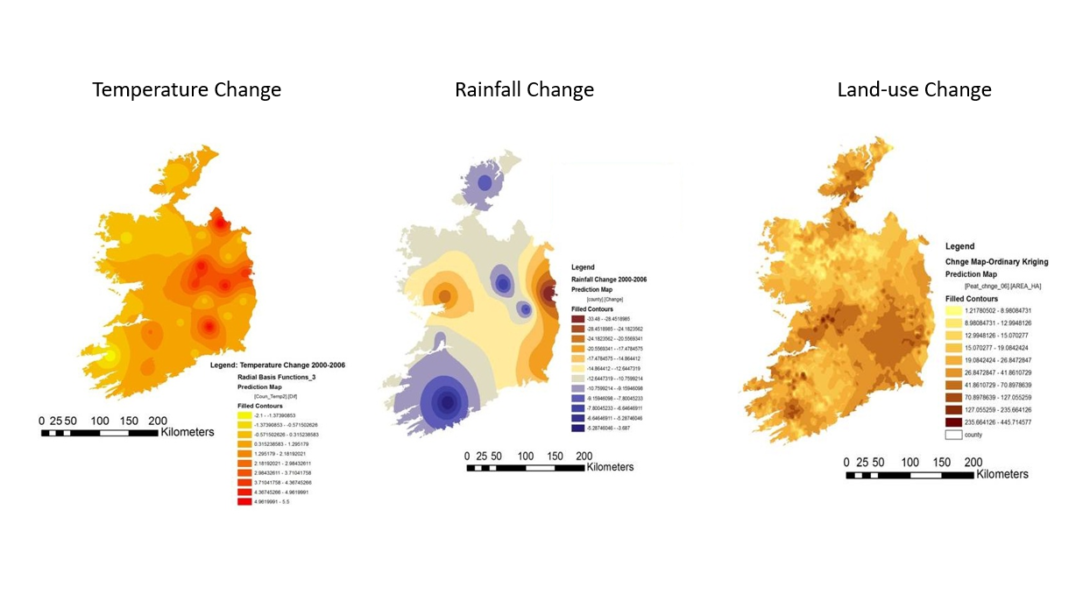
The campus certificate program in Geospatial Analysis and Visualization (GSAV) will develop students’ skills in the spatial analysis and visualization of data, including analyzing the relationships, interactions, and the development of maps and models that communicate complex information to their audiences. Students in the GSAV Campus Certificate will learn visualization theory and the effective use of various visualization tools. They will also recognize when, how, and with which audience each of these tools will be most appropriately used. GSAV students will also develop basic skills in computer visualization and GIS, including knowledge of data management and manipulation, composition, spatial analysis, and cartography and map design.
All students will develop a working knowledge of Geographic Information Systems, and each student will develop more advanced skills in a particular aspect of geospatial analysis and visualization (advanced visualization techniques, Geographic Information Systems, or complexity-based modeling for planning and policy). Students will be able to develop skills in specific computer technologies and software packages currently used in professional settings (including image processing, agent-based modeling, and web authoring tools) and will also be able to effectively address both the conceptual and technical issues of how to make complex information clear and effective for diverse audiences.
Course Requirements Heading link
This certificate program teaches students how to use software to collect and analyze data to better understand the complex relationships and interactions within cities and regions and how to translate this data into graphic and web-based forms that are easily understandable by professionals, public officials, and the public.
All students will develop a working knowledge of Geographic Information Systems (GIS), and each student will be able to concentrate on learning advanced visualization techniques, higher-level GIS, or complexity-based modeling for planning and policy.
The GSAV Campus Certificate can be completed in only 12 credit hours of coursework and is offered to non-degree students already holding a bachelor’s degree from an accredited university. Credits may later be applied to a graduate degree if the student is admitted and enrolled in the Masters of Urban Planning and Policy program within three years of completion of the certificate program.
All GSAV students will take:
UPP 458: Introduction to Geospatial Analysis and Visualization I (2 credit hours)
UPP 459: Introduction to Geospatial Analysis and Visualization II (2 credit hours)
UPP 461: Geographic Information Systems for Planning (4 credit hours)
And one of the following courses:
UPP 462: Intermediate Geographic Information Systems for Planning (4 credit hours)
UPP 465: Topics in Geospatial Analysis and Visualization (0-5 credit hours)